
Tooth Extraction Auckland
Gentle Tooth Removal When It’s the Right Option
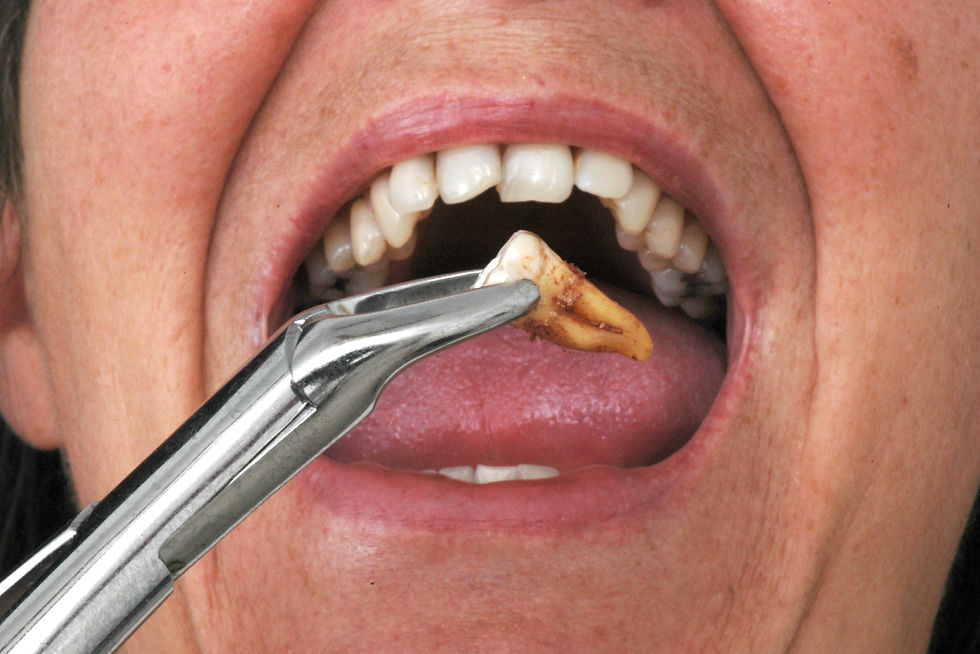
Where a tooth is badly damaged, infected, loose, overcrowded, or no longer restorable, tooth extraction may be the most appropriate treatment.
Our Auckland dental team provides careful assessment, clear recommendations, and supportive care focused on comfort, safety, and practical long-term solutions.
When Tooth Extraction May Be Needed
Severe Decay – Where the tooth cannot be predictably restored.
Infection – When infection has progressed and other treatment is not suitable.
Broken Tooth – Where damage is too extensive for repair.
Loose Tooth – Advanced gum disease or loss of support.
Overcrowding – To create space as part of treatment planning.
Wisdom Tooth Issues – Painful or problematic wisdom teeth may require removal.
Sign You May Need An Extraction
If something feels wrong, it is always safer to have it checked. Many dental issues become more difficult and more expensive to treat when delayed.
Ongoing Pain
Persistent pain or discomfort.
Swelling
Gum or facial swelling near the tooth.
Loose Tooth
Movement when chewing or touching.
Repeated Infection
Recurring abscess or gum flare-ups.
Broken Below Gumline
Tooth structure no longer repairable.
Difficulty Chewing
Pain or inability to bite comfortably.
_edited.jpg)
_edited.jpg)
What To Expect
Step 1 – Examination: We assess the tooth and surrounding area, and may take X-rays.
Step 2 – Treatment Planning: We explain whether extraction is recommended and discuss alternatives if suitable.
Step 3 – Numbing the Area: Local anaesthetic is used to help keep treatment comfortable.
Step 4 – Gentle Removal: The tooth is carefully removed using appropriate techniques.
Step 5 – Immediate Aftercare: We provide instructions to help support healing.
Aftercare & Recovery
Most patients recover well with the right aftercare. Following instructions carefully can help reduce discomfort and improve healing.
Common Advice:
Rest after treatment
A convenient option completed at home with professional guidance.
Rest after treatment
A convenient option completed at home with professional guidance.
Avoid vigorous rinsing initially
A convenient option completed at home with professional guidance.
Eat softer foods for a short period
Treatment performed under supervision in practice.
Eat softer foods for a short period
A tailored approach using both in-clinic and take-home treatment.
Eat softer foods for a short period
We help recommend the most suitable option based on your goals and oral health.
If discomfort worsens or healing concerns arise, contact our team promptly.
Why Choose Us
Careful Assessment
Extraction is recommended only when appropriate.
Comfort-Focused Treatment
Supportive care throughout the process.
Clear Communication
We explain options, risks, and next steps clearly.
We explain options, risks, and next steps clearly.
Trusted local dental professionals.
Payment Options Available
Flexible support may be available.
Long-Term Planning
We discuss replacement options where needed.
When you are in pain, you need more than just a quick appointment. You need clear advice, calm support, and treatment that addresses the problem properly.
Replacement Options After Extraction
Where appropriate, replacing a missing tooth may help support chewing, appearance, and long-term bite stability.
Options May Include:
- Dental Implants
- Dental Bridges
- Dentures
- Monitoring where replacement is not needed
_edited.jpg)

Related Treatments
Frequently Asked Questions
Treatment is usually carried out with local anaesthetic to help keep it comfortable.
This varies, though many patients improve steadily over several days.
Often yes after local anaesthetic alone, depending on your situation.
Soft foods are commonly recommended initially.
Only in certain cases if clinically indicated.
Let our team know so we can support you appropriately.
That depends on the tooth position and long-term goals.
Costs vary depending on complexity and tooth type.
Yes, depending on the clinical assessment.
